- Transit time
- 19 Days
USD 2695.00 / 40RF
Valid until
Full Container Load Shipping for Imports & Exports
Ship commercial cargo in a dedicated container with FCL sea freight solutions to and from Egypt.
Explore available FCL routes and choose the right container option for your shipment.
✓ Dedicated Container ✓ Global Routes ✓ Import & Export Support
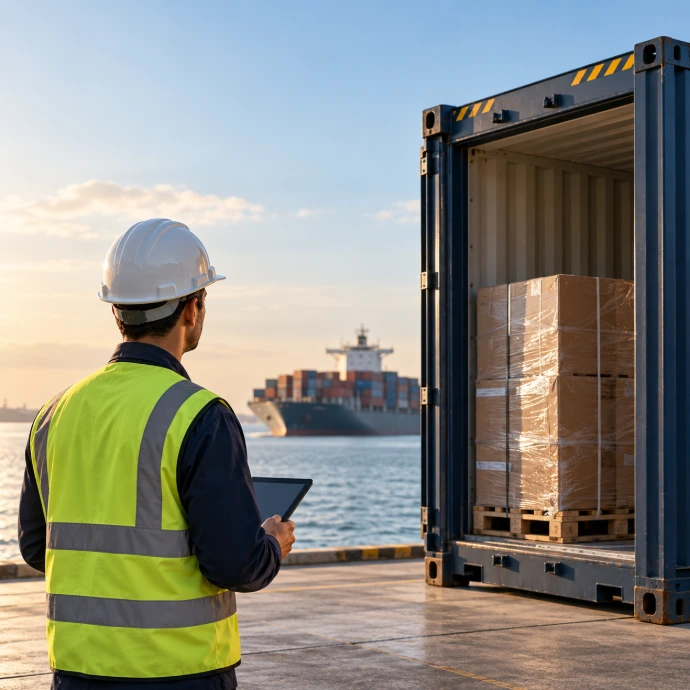
FCL (Full Container Load) is a sea freight method where one shipper books the container for a single shipment rather than sharing container space with other shippers.
FCL is commonly used for larger commercial shipments, palletized cargo, machinery, raw materials, and other containerized goods.
✓ Your shipment requires dedicated container space.
✓ You are shipping larger cargo volumes or multiple pallets.
✓ Reducing consolidation and deconsolidation handling is important.
✓ Your cargo has specific loading or handling requirements.
For smaller shipments that do not require a full container, LCL shipping may be a more suitable option.
Discover full container load shipping routes connecting Egypt with major global ports for reliable international cargo movement.
USD 2695.00 / 40RF
Valid until
USD 5000.00 / 40FT
Valid until
USD 150.00 / 40FT
Valid until
USD 2844.00 / 40FT
Valid until
USD 916.00 / 20FT
Valid until
USD 525.00 / 40FT
Valid until
USD 605.00 / 40FT
Valid until
These are freight rates, not insurance quotations. Review route details for included charges and conditions.
Share your origin, destination and cargo requirements with our team.
FCL shipping requires several decisions to be aligned before the container moves. A freight forwarder helps coordinate these requirements and turn shipment details into an executable shipping plan.
Cargo details, container requirements, origin, destination, and cargo readiness are reviewed to identify suitable shipping options before the booking is confirmed.
Carrier options, sailing schedules, container availability, booking requirements, and cut-off times are coordinated to prepare the shipment for departure.
Shipping information, requirements, involved parties, and milestones are coordinated to keep the container moving according to the agreed transport plan.
Coordinate your international shipment with freight forwarding support across planning, booking, and execution.
FCL is used across industries where cargo volume, equipment requirements, or shipment characteristics make dedicated container space practical.

Container shipping for solar panels, equipment, and components moving as part of commercial and project shipments.
FCL solutions for eligible chemical cargo requiring appropriate classification, packaging, documentation, and handling.
Containerized transport for machinery, production equipment, and industrial components requiring planned loading and securing.
FCL shipping for higher-volume textile and garment shipments moving in cartons, pallets, or other commercial packaging.
FCL shipments can use different container types depending on cargo volume, dimensions, and handling requirements.
A commonly used container for heavy cargo and medium shipment volumes.
Typical capacity: 28–30 CBM
Maximum payload: up to 28 tons.
Designed for larger cargo shipments requiring greater storage capacity.
Typical capacity: 58–60 CBM
Maximum payload: up to 26 tons
Provides additional vertical cargo space for large or bulky shipments.
Typical capacity: 68–70 CBM
Maximum payload: up to 26 tons
Designed for cargo requiring controlled temperatures during transportation, including eligible food, agricultural, pharmaceutical, and other temperature-sensitive products.
Container specifications, payload limits, and availability may vary by carrier, equipment, route, and shipment requirements.
From container booking to cargo release, an FCL shipment moves through a coordinated sequence at origin, at sea, and at destination.
The container and sailing are booked based on the confirmed shipping plan.
The container is positioned, loaded, and prepared for transport to the origin port.
The loaded container enters the port and completes the applicable departure procedures.
The container moves by vessel from the origin port to the destination port.
Applicable arrival and customs procedures are completed before cargo release.
The released container moves from the port to the agreed delivery location.
FCL shipments may require additional logistics support at origin or destination, depending on the cargo and shipping requirements.
Container transportation between ports, factories, warehouses, and other cargo locations.
Additional cargo insurance support available through approved insurance partners for eligible shipments.
Full Container Load (FCL) shipping means one shipper uses an entire container for their cargo. It is commonly used for larger shipments, cargo that requires dedicated container space, or shipments where reducing consolidation and handling is important.
FCL transit times depend on the origin and destination ports, carrier schedules, routing, transshipment requirements, and sailing frequency. The expected transit time should be confirmed for the specific shipping route before booking.
Common FCL options include 20ft containers, 40ft containers, 40ft High Cube containers, and reefer containers for temperature-controlled cargo. Container availability depends on the shipping route, carrier, cargo requirements, and equipment availability.
Discuss your cargo, route, container requirements, and shipping priorities with a freight specialist before you proceed.